
Understanding the Pitfalls of Granola and Snack Bars
Nourishing Your Child: Understanding the Pitfalls of Granola Bars and Embracing Healthier Snack Alternatives
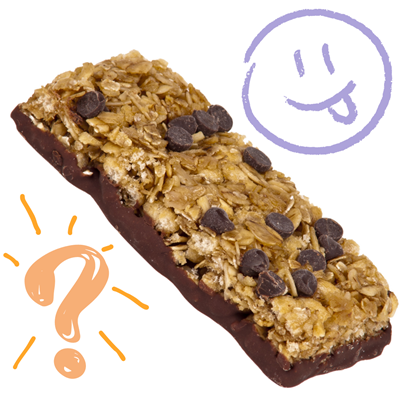
Understanding the Pitfalls of Granola Bars and Embracing Healthier Snack Alternatives
Dr. Bonnie takes a dive into the world of children's snacks. Let's chat about granola bars – those seemingly convenient, yet often misunderstood snacks. While they may boast health claims on their packaging, the truth is, many granola and snack bars may fall short in nourishing your little one. Let's uncover why, and explore five delicious and nutritious alternatives that your child will love.
Why Granola and Snack Bars May Not be the Best Choice for Your Child:
1. Hidden Sugars: Despite their wholesome image, many granola bars are loaded with hidden sugars. Excessive sugar intake can lead to energy crashes, weight gain, and even dental issues in your child. Research indicates that high sugar consumption in childhood is linked to an increased risk of obesity and metabolic disorders later in life. Opting for lower sugar snacks can help promote steady energy levels in your child.
2. Processed Ingredients: Take a peek at the ingredient list of your child’s average granola bar, and you may find a laundry list of processed ingredients and preservatives. These additives can have adverse effects on your child's health, including digestive discomfort and potential long-term health risks. Choosing snacks with whole, minimally processed ingredients is key to supporting your child's well-being.
3. Environmental Impact: Many commercially produced granola and snack bars come with a hefty environmental footprint, thanks to their packaging and sourcing practices. As conscientious consumers, it's important to consider the environmental impact of our food choices. Seeking out sustainable snack options not only benefits the planet but also sets a positive example for your child.
4. Lack of Nutrient Diversity: While some granola bars may contain a handful of nutritious ingredients, they often lack the diverse array of nutrients that your child’s growing body needs. Your child requires a balanced mix of vitamins, minerals, protein, and healthy fats to thrive. Opting for snacks that offer a broader spectrum of nutrients ensures that your child's nutritional needs are met.
5. Potential Allergens: With the rise in food allergies among children, navigating the world of packaged snacks can be challenging. Granola bars often contain common allergens such as nuts, dairy, and gluten, which can pose risks for sensitive kids. Opting for allergen-friendly alternatives can ensure that your allergic child can safely enjoy their snacks without worry.
Consider These Healthier and Child-Friendly Snack Alternatives:
1. Homemade Trail Mix: Whip up a batch of homemade trail mix using nuts, seeds, dried fruits, and whole-grain cereal. This customizable snack is rich in protein, fiber, and essential nutrients, providing sustained energy for your active child. Get your little one involved in the kitchen by letting them choose their favorite ingredients – it's a fun and nutritious activity for the whole family.
2. Greek Yogurt Parfaits: Layer creamy Greek yogurt with fresh fruits, nuts, and a drizzle of honey* for a delicious and nutritious treat (*only if older than 1 year of age). Greek yogurt is packed with protein and probiotics, which supports the digestive health and immune function in your child’s tummy. Plus, yogurt is a versatile option that can be tailored to suit your child's taste preferences.
3. Vegetable Sticks with Hummus: Encourage your child to munch on crunchy vegetable sticks paired with creamy hummus for a satisfying snack. Vegetables like carrots, cucumbers, and bell peppers are rich in vitamins and antioxidants, promoting overall well-being. The combination of fiber and protein in hummus helps keep your child feeling full and satisfied between meals.
4. Whole Grain Crackers with Cheese: Serve up whole grain crackers topped with slices of cheese for a wholesome snack that's sure to please. Whole grains provide fiber and sustained energy, while cheese adds a dose of creamy taste while helping provide nutrients for strong bones and muscles. Look for varieties of cheese that are lower in sodium and free from artificial additives for optimal nutrition.
5. Frozen Fruit Popsicles: Beat the heat with homemade frozen fruit popsicles made from pureed fruits and coconut water. These refreshing treats are free from added sugars and artificial flavors, making them a guilt-free indulgence for your child. Experiment with different fruit combinations to discover your child's favorite flavor – the possibilities are endless!
Incorporating these nutritious and delicious snack alternatives into your child's diet can help promote their health and well-being from an early age. Remember, small changes can make a big difference in supporting your child's lifelong relationship with food.