
Eating Behaviors
CHILDREN'S EATING BEHAVIORS
Children’s eating behaviors are part of how they learn about food, not signs that something needs to be fixed. Hesitation, repetition, and strong preferences are often developmental responses as children figure out how food feels, tastes, and fits into their world.
At Nibbles and Sprouts™, we pay attention to what food experiences feel like for the child – and what the table feels like for you, the parent.
What Eating Behaviors Often Reflect
Eating behaviors can signal:
- Sensory curiosity or caution
- A need for predictability and safety
- Developmental shifts in autonomy
- Previous experiences with pressure around food
These behaviors are not diagnostic labels. They are information.
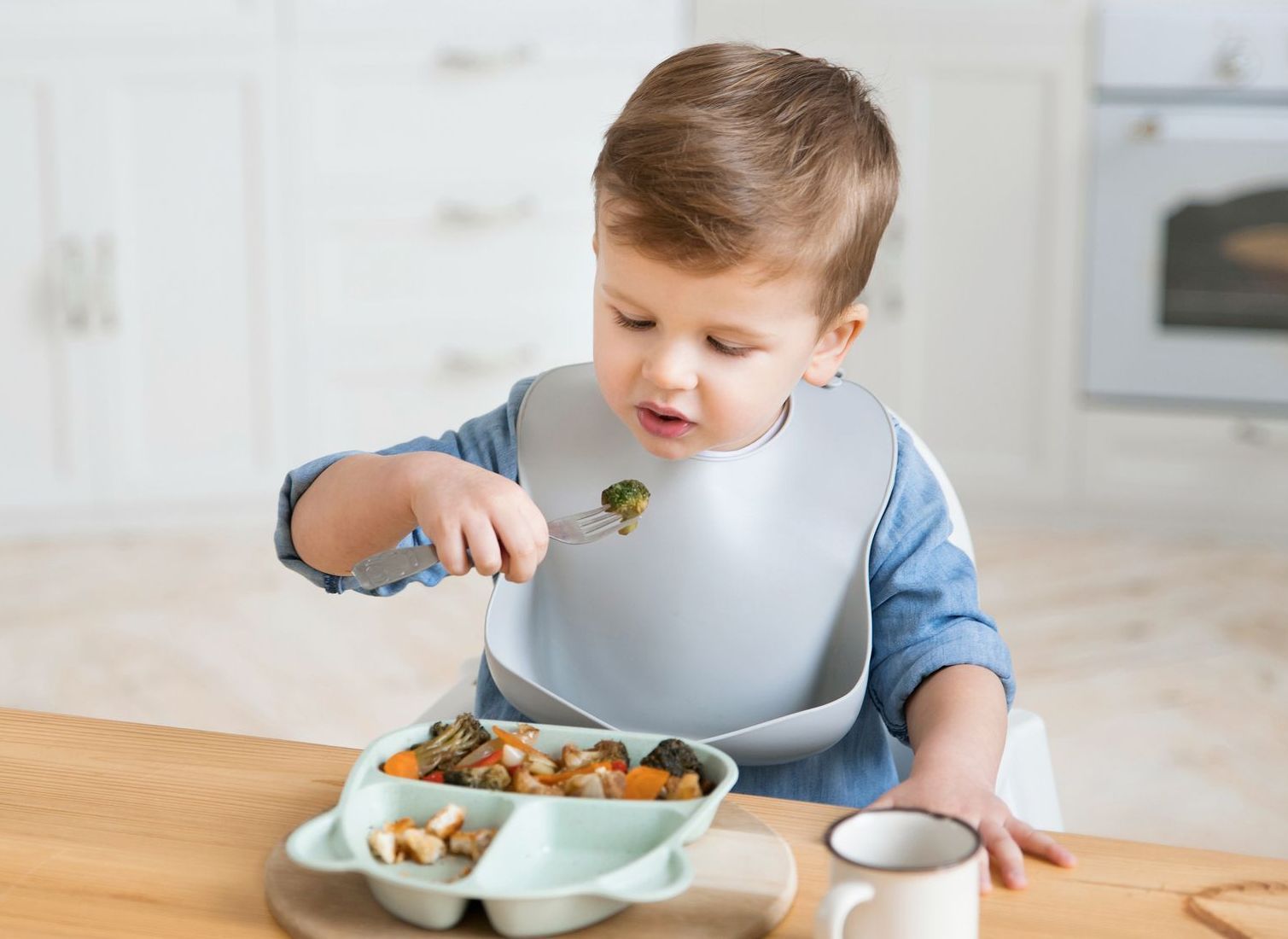
How Pediatric Culinary Medicine Is Different
Pediatric culinary medicine focuses on how children learn to experience food – through flavor, familiarity, and calm guidance – rather than on nutrients, intake, or behavior correction.
Our approach emphasizes:
- Taste literacy as a developmental skill that grows over time
- How food is prepared, presented, and experienced, not just what is served
- Supporting parents in feeling calm and confident as they guide meals
- Building familiarity and comfort gradually, without pressure or urgency
Learning to eat is treated as a developmental skill – one that unfolds gradually through experience.
When Mealtimes Feel Hard
When eating behaviors are met with pressure or correction, hesitation often increases. A calmer approach helps meals feel more predictable and less emotionally charged.
As parents feel steadier, children often feel safer tasting food at their own pace.
The Bottom Line
Eating behaviors are part of how children learn. They are not a failure of parenting or a sign that something must be fixed.
With thoughtful guidance and a pediatric culinary medicine approach, many families find that mealtimes feel calmer and more connected over time.