
Gut Health
Frustrated, Confused, Unsure?
"Many parents think gut health starts with supplements. In reality, it often begins with everyday foods that support a healthy gut microbiome, regular digestion, and long-term confidence around food."
- Dr. Bonnie Feola, M.D., FAAP
Pediatrician, Certified Chef, and Founder of Nibbles & Sprouts®
Your child's gut does much more than digest food. It plays an important role in digestion, supports the immune system, and is home to trillions of microbes that help shape overall health. Because those microbes are influenced by the foods children eat over time, everyday meals can play an important role in supporting a healthy gut.
If your child experiences frequent constipation, recurring stomach discomfort, or you have questions about how everyday foods support a healthy gut, understanding the connection between nutrition and gut health can be a helpful next step.
When to think about your child's gut health
Your child's gut is just one part of the bigger picture, but it can be helpful to talk with your pediatrician if your child has:
- Frequent or recurring stomach aches
- Chronic constipation or ongoing loose stools
- Persistent bloating or excessive gas
- Ongoing digestive symptoms that interfere with eating or daily activities
- Questions about whether everyday foods are supporting a healthy gut
If digestive concerns are persistent, affecting your child's growth, or disrupting family life, it's worth discussing them with your pediatrician. Together, you can decide whether changes in food, further evaluation, or additional support may be helpful.
Want practical, food-first guidance for your child's gut health?
Join the free Fussy to Foodie® Collective for pediatrician-chef guidance on how everyday foods help support digestion, nourish a healthy gut, and build lifelong eating habits.
Gut Health in Children
Gut health refers to how the digestive system functions to break down food, absorb nutrients, and support overall well-being. In children, gut health plays an important role not only in digestion, but also in growth, immune function, and how the body responds to food over time.
Research continues to show that the digestive system is closely connected to many aspects of health, including energy levels, immune regulation, and emotional well-being. For children, these connections are especially important during periods of rapid growth and development.

Understanding the Gut and the Gut Microbiome
The gut is composed of specialized cells, tissues, and muscles that work together to digest food and transport nutrients throughout the body. Within this system lives the gut microbiome – a large and diverse community of microorganisms that naturally exist inside the digestive tract.
These microorganisms include bacteria, fungi, and other microbes that live in balance with the body. They are part of normal human biology and are found throughout the body, including on the skin and in the mouth. In the gut, they play a vital role in supporting digestion and helping the body respond appropriately to food and environmental exposures.
The gut microbiome is sometimes described as an additional regulatory system within the body because of how it widely influences health.
Your child's gut health is unique - and so is the path to supporting it.
There is no single food, supplement, or plan that works for every child. Dr. Bonnie helps parents understand how everyday foods support a healthy gut while considering each child's eating patterns, food preferences, digestive symptoms, and stage of development.
Rooted in pediatric culinary medicine and taste literacy, Fussy to Foodie® Collective offers practical, food-first guidance that helps families build habits they can sustain with confidence.

Why Gut Health Matters in Childhood
In children, a healthy gut microbiome helps support:
- Efficient digestion and nutrient absorption
- Immune system development and regulation
- Metabolic balance, including blood sugar regulation
- Communication between the gut and the brain
Ongoing research suggests that gut health may also influence sleep patterns, mood regulation, and appetite signals. These connections are complex and still being studied. They highlight how closely digestion is linked to overall development.
Every Child’s Gut Is Unique
There is no single “perfect” gut microbiome. Each child’s gut environment is shaped by many factors, including:
- Genetics
- Early feeding experiences
- Environment and daily routines
- Illnesses or medications
- Dietary patterns over time
Because of this individuality, what supports one child may look different for another. Gut health does not improve through rigid rules or universal solutions.
The Role of Food in Gut Health
Diet plays an important role in shaping the gut microbiome over time. A wide variety of foods – particularly those that introduce different flavors, textures, and plant-based ingredients – helps support microbial diversity.
Rather than focusing on restriction or single “superfoods,” pediatric culinary medicine emphasizes pattern and experience:
- Familiarity with a range of flavors
- Meals that feel calm and predictable
- Repeated, low-pressure exposure to foods
These experiences help children build comfort with food while supporting digestive health.

A Calm, Developmental Approach to Gut Health
At Nibbles and Sprouts™, gut health is approached through the lens of development, not optimization. Supporting digestion does not require perfect eating or strict dietary rules.
Instead, gut health is supported when:
- Children feel calm and safe around food
- Parents feel confident guiding food experiences
- Dietary variety develops gradually over time
- Meals are offered with consistency and flexibility
This approach respects both the biology of the gut and the emotional experience of eating.
The Bottom Line
Gut health is an important part of childhood development. The digestive system responds over time to patterns, experiences, and relationships with food.
With thoughtful guidance, steady exposure, and developmentally informed support, families can nurture gut health in ways that feel manageable, supportive, and aligned with daily life.
Supporting your child's gut health can begin with everyday foods.
Join the free Fussy to Foodie® Collective for pediatrician-chef guidance on using everyday foods to support gut health, reduce feeding frustration, and help children build lifelong confidence around food.
FAQs
What are the signs that I should think about my child's gut health?
Digestive symptoms are often the clearest reason to think about gut health. If your child has frequent constipation, recurring stomach aches, ongoing bloating or gas, or persistent loose stools, it may be worth talking with your pediatrician about how food and other factors could be contributing.
Many other concerns, such as low energy, skin conditions, mood changes, or difficulty concentrating, can have many different causes. While the gut may play a role, these symptoms should be considered as part of your child's overall health rather than attributed to the gut alone.
What foods are best for children's gut health?
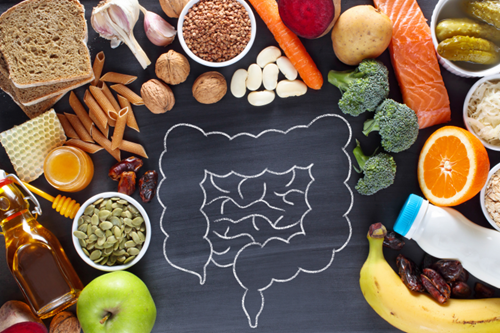
There is no single "gut health" food. A healthy gut is supported by eating a wide variety of everyday foods over time. Fruits, vegetables, whole grains, beans, nuts, seeds, and fermented foods like plain yogurt all help nourish a healthy gut in different ways.
Some foods, such as bananas, oats, and beans, onions, and garlic contain prebiotic fibers that feed beneficial gut bacteria. Others, like yogurt and kefir with live cultures, provide probiotics that help support a healthy gut microbiome.
Rather than searching for a superfood, focus on gradually expanding the variety of foods your child becomes comfortable eating. Variety, not perfection, is one of the best ways to support gut health.
Can gut health affect my child's mood and behavior?
There is growing evidence that the gut and brain communicate through what scientists call the gut-brain axis. Researchers are learning more about how gut health may influence mood, behavior, and overall well-being, but this is an area of active research, and many factors contribute to how children think, feel, and behave.
Supporting your child's gut health with a varied, food-first approach is one way to promote overall health. While healthy eating is not a treatment for behavioral or emotional concerns, it is an important part of helping children grow, thrive, and feel their best.
Should I give my child a probiotic supplement?
For most healthy children, everyday foods are the best place to start. Foods such as plain yogurt with live cultures and kefir can help support a healthy gut as part of a varied, balanced diet.
Probiotic supplements may be helpful in certain situations, such as after some courses of antibiotics or for specific medical conditions, but they are not necessary for every child. Because different probiotic strains have different effects, there is no one-size-fits-all supplement.
If you're considering a probiotic for your child, talk with your pediatrician about whether it is appropriate and which product, if any, is supported by the best available evidence.
How long does it take to improve a child's gut health through diet?
Supporting gut health is a gradual process rather than a quick fix. While the gut microbiome can respond to dietary changes within days to weeks, building lasting eating habits that support long-term gut health takes time.
The most important ingredients are consistency and variety. Gradually introducing a wider range of everyday foods and creating positive, repeat experiences around those foods helps support both a healthy gut and a child's growing confidence around food.
Rather than looking for a fast solution, focus on small, sustainable changes that your family can maintain over time.