
Constipation
Frustrated, Confused, Unsure?
"Many parents think gut health starts with supplements. In reality, it often begins with everyday foods that support a healthy gut microbiome, regular digestion, and long-term confidence around food."
- Dr. Bonnie Feola, M.D., FAAP
Pediatrician, Certified Chef, and Founder of Nibbles & Sprouts®
Constipation is one of the most common concerns in childhood and food can be an important part of the solution.
If your child has hard or painful stools, goes several days without a bowel movement, or frequently complains of tummy aches, everyday foods can play an important role in supporting healthy bowel habits. For many children, small, sustainable changes at the table are a meaningful place to begin.
At a glance: What most commonly helps constipation in children
| What to increase | Why it helps |
|---|---|
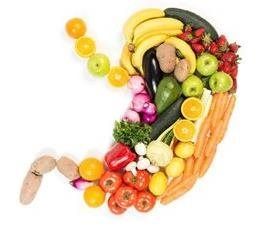
| Fiber-rich fruits (pears, prunes, kiwi, apples) | Help soften stool and make bowel movements easier to pass |
| Vegetables (broccoli, sweet potato, peas) | Help soften stool and make bowel movements easier to pass |
| Whole grains (oats, brown rice, whole wheat) | Add fiber and help support healthy digestion |
| Beans and lentils | Provide fiber that supports regular bowel habits |
| Water throughout the day | Rich in fiber that helps keep stools soft and moving |
| Probiotic foods (plain yogurt, kefir) | Helps fiber do its job and keeps stool hydrated |
| Water-rich foods (berries, melon, cucumbers, oranges, soups) | Helps support a healthy gut microbiome as part of a balanced diet |
Increase fiber gradually, especially if your child is a selective eater. Adding too much fiber too quickly can lead to bloating, gas, or discomfort. If constipation is persistent, painful, or causing concern, talk with your child's pediatrician.
Looking for practical, food-first guidance for your child's constipation?
Join the free Fussy to Foodie® Collective for pediatrician-chef guidance on using everyday foods to support healthy bowel habits, reduce feeding frustration, and help children build lifelong confidence around food.
CONSTIPATION IN CHILDREN
Constipation in babies, toddlers, and children often shows up as bowel movements that are hard, dry, painful, or difficult to pass. For many families, it becomes a source of worry, especially during potty training or early school years.
From a pediatric perspective, constipation is common. From a pediatric culinary medicine perspective, it is also deeply connected to how food, routine, and stress are experienced.
What Constipation Can Look Like
Children experiencing constipation may have:
- Hard or painful stools
- Infrequent bowel movements
- Tummy aches or discomfort
- Reduced appetite or early fullness
- Stool leakage or loose stools around hard stool
- Bedwetting in some cases of chronic constipation
These symptoms can feel confusing and concerning, especially when they persist.

What Constipation Can Look Like
Children experiencing constipation may have:
- Hard or painful stools
- Infrequent bowel movements
- Tummy aches or discomfort
- Reduced appetite or early fullness
- Stool leakage or loose stools around hard stool
- Bedwetting in some cases of chronic constipation
These symptoms can feel confusing and concerning, especially when they persist.
Why Constipation Is Often Harder Than It Sounds
Parents are often advised to “add more fiber,” “offer more fruits and vegetables,” or “increase fluids.” While these recommendations are medically sound, they are not always easy to implement, particularly when a child already feels cautious or uncomfortable around food.
Constipation can also create a feedback loop:
- Painful stools lead to withholding
- Withholding worsens constipation
- Stress around toileting and eating increases
Over time, both eating and elimination can begin to feel charged.
Constipation doesn't have to become your child's normal.
Many children benefit from small, sustainable changes in the foods they eat every day. Dr. Bonnie Feola, board-certified pediatrician and professionally trained chef, helps parents understand how everyday foods can support healthy bowel habits while building their child's comfort and confidence around food.
Rooted in pediatric culinary medicine and taste literacy, Fussy to Foodie® Collective offers practical, food-first guidance designed for real family life.
Explore free articles and preview what's inside Fussy to Foodie® Collective.

A Pediatric Culinary Lense
Pediatric culinary medicine looks at constipation within the broader context of:
- How food is prepared and presented
- How predictable meals and routines feel
- How pressure or urgency affects appetite and comfort
- How children learn to trust bodily signals
Rather than focusing only on what to add or eliminate, our approach emphasizes familiarity, consistency, and calm guidance around food and meals.
What Matters Most
Constipation in children often reflects how stool consistency, daily routines, and comfort with eating and toileting work together. Painful or difficult bowel movements can shape how a child approaches both food and bathroom habits over time.
Our approach looks at constipation through everyday patterns. We pay attention to how meals are structured, how familiar foods are prepared, and how predictable routines support digestion. When food experiences feel steady, and routines remain consistent, many children gradually grow more comfortable with both eating and bowel movements.
A child’s pediatrician should guide medical evaluation and treatment for constipation. Our work complements that care by helping families support digestion through calm, confident food experiences and daily routines.
The Bottom Line
Constipation is common in childhood. With thoughtful, developmentally informed guidance, parents can support digestive comfort in ways that feel manageable and aligned with daily life.
Supporting healthy bowel habits can begin with everyday foods.
Join the free Fussy to Foodie® Collective for pediatrician-chef guidance on using everyday foods to support healthy bowel habits, reduce feeding frustration, and help children build lifelong confidence around food.
Explore free articles and preview what's inside Fussy to Foodie® Collective.
FAQs
How do I know if my child is constipated?
Constipation isn't just about how often your child has a bowel movement. It's also about how easily it comes out.
Your child may be constipated if bowel movements are hard, dry, painful, or difficult to pass, or if they are avoiding the toilet, straining, complaining of stomach aches, or eating less than usual. Some children with long-standing constipation may also have stool leakage or bedwetting.
Every child has their own normal pattern. While constipation is often defined as fewer than three bowel movements per week, some children naturally have a bowel movement every two or three days and are not constipated. The consistency of the stool and whether it is comfortable to pass are often just as important as how often your child goes.
If you're concerned that your child may be constipated, talk with your pediatrician. They can help determine whether constipation is the cause of your child's symptoms and recommend the most appropriate treatment.
What foods help relieve constipation in children naturally?
There isn't one "constipation food." Instead, focus on offering a variety of everyday foods that help create stool that is soft, hydrated, and easier to pass.
Water-rich fruits like pears, prunes, kiwi, peaches, and berries can help, along with vegetables, beans, lentils, oats, and whole grains. Drinking enough water is also an important part of supporting healthy bowel habits.
If your child is a picky eater, don't worry about changing everything overnight. Small, repeated experiences to constipation-friendly foods often works better than trying to get your child to eat a large serving all at once. The goal isn't perfection. It is gradually helping your child become comfortable with the foods that support healthy digestion.
How much fiber does a child need each day?
Fiber needs vary by age and how much a child eats. A simple rule of thumb is that children need about their age plus 5 grams of fiber each day, although some children may need more as they grow.
Rather than focusing on counting grams, aim to include fiber-rich foods throughout the day. Fruits, vegetables, beans, lentils, oats, and whole grains all contribute to healthy bowel habits while exposing children to a wider variety of flavors and textures.
If your child currently eats very little fiber, increase it gradually and encourage plenty of fluids. Making small changes over time is often more comfortable, and more sustainable, than trying to change everything at once.
My child is constipated but also a picky eater. How can I offer more fiber without creating mealtime stress?
This is one of the most common questions I hear as a pediatrician-chef.
Rather than trying to get your child to eat large amounts of high-fiber foods overnight, start with foods they already know and enjoy. Small additions, familiar flavor pairings, and repeated exposure can help children gradually become more comfortable with fruits, vegetables, beans, whole grains, and other foods that support healthy bowel habits.
The goal isn't simply to add more fiber. It's to help your child build confidence with the foods that naturally support healthy digestion. Those small, consistent experiences often lead to lasting changes over time.
When should I take my child to a doctor for constipation?
Most constipation can be managed with guidance from your pediatrician, but some symptoms should be evaluated promptly.
Contact your child's pediatrician if constipation is persistent, your child has severe abdominal pain, blood in the stool, vomiting, poor weight gain or weight loss, or if bowel movements are so painful that your child is avoiding the toilet. You should also seek medical advice if home measures are not helping or if you are concerned about your child's symptoms.
Constipation is common, but it isn't something your family has to manage alone. Your pediatrician can help determine whether your child needs additional evaluation or treatment while you continue building healthy eating habits at home.