
Picky Eaters
Frustrated, Confused, Unsure?
"Picky eating can leave parents feeling frustrated, confused, and unsure what to do next. A child who happily eats one food may refuse something that seems nearly identical, making mealtimes feel unpredictable and exhausting."
- Dr. Bonnie Feola, M.D., FAAP
Pediatrician, Certified Chef, and Founder of Nibbles & Sprouts®
Is my child's picky eating typical or a concern?
Typical picky eating - common in ages 2–6:
- Accepts 20+ foods across multiple food groups
- Goes through phases but generally maintains growth
- Hesitates around new foods but remains open to learning over time
When to seek support:
- Fewer than 20 accepted foods, and the list is shrinking
- Significant distress, frequent gagging, or intense anxiety around food or mealtimes
- Growth or nutrition concerns flagged by your pediatrician
- Mealtime stress is significantly affecting your family's daily life
If your child eats a limited range of foods but is growing well, many children continue building familiarity and confidence around food as they grow.
Looking for a calmer, more confident approach to picky eating?
Join the free Fussy to Foodie® Collective for pediatrician-chef guidance on picky eating, taste development, and how children learn to feel more comfortable with food over time.
Picky Eating Vs. Selective Eating
Many parents worry that their child is a “picky eater.” Often, this concern arises when a child eats a limited range of foods, resists unfamiliar items, or shows strong preferences for certain textures, colors, or flavors.
From a pediatric culinary medicine perspective, these patterns are not uncommon, especially in infancy, toddlerhood, and early childhood. Children are learning how food feels, tastes, smells, and looks. Hesitation around food is often part of that learning process.
What Parents Often Notice
- Children described as picky or selective may:
- Eat a smaller variety of foods than expected
- Prefer foods that feel predictable, such as crunchy, soft, or easy-to-chew items
- Show strong reactions to texture, smell, temperature, or appearance
- Resist foods touching on the plate
- Accept familiar foods while hesitating around new ones
Importantly, many children who are labeled “picky” still eat enough calories and nutrients and continue to grow appropriately.

Ready to feel more confident at the table?
Get pediatrician-chef guidance that helps reduce feeding frustration and supports your child's growing confidence around food.
Picky Eating vs. Selective Eating
Some clinicians and researchers distinguish between picky eating and selective eating to better understand what a child is experiencing.
- Picky eating generally refers to children who eat a narrower range of foods but still accept a moderate number of familiar items. These children may resist novelty but often maintain a functional diet.
- Selective eating describes a more limited pattern, where a child accepts a very small number of foods and shows stronger sensory preferences or aversions.
In both cases, these patterns are not about willfulness, defiance, or parenting mistakes. They reflect how a child’s nervous system, sensory processing, and developmental stage interact with food.
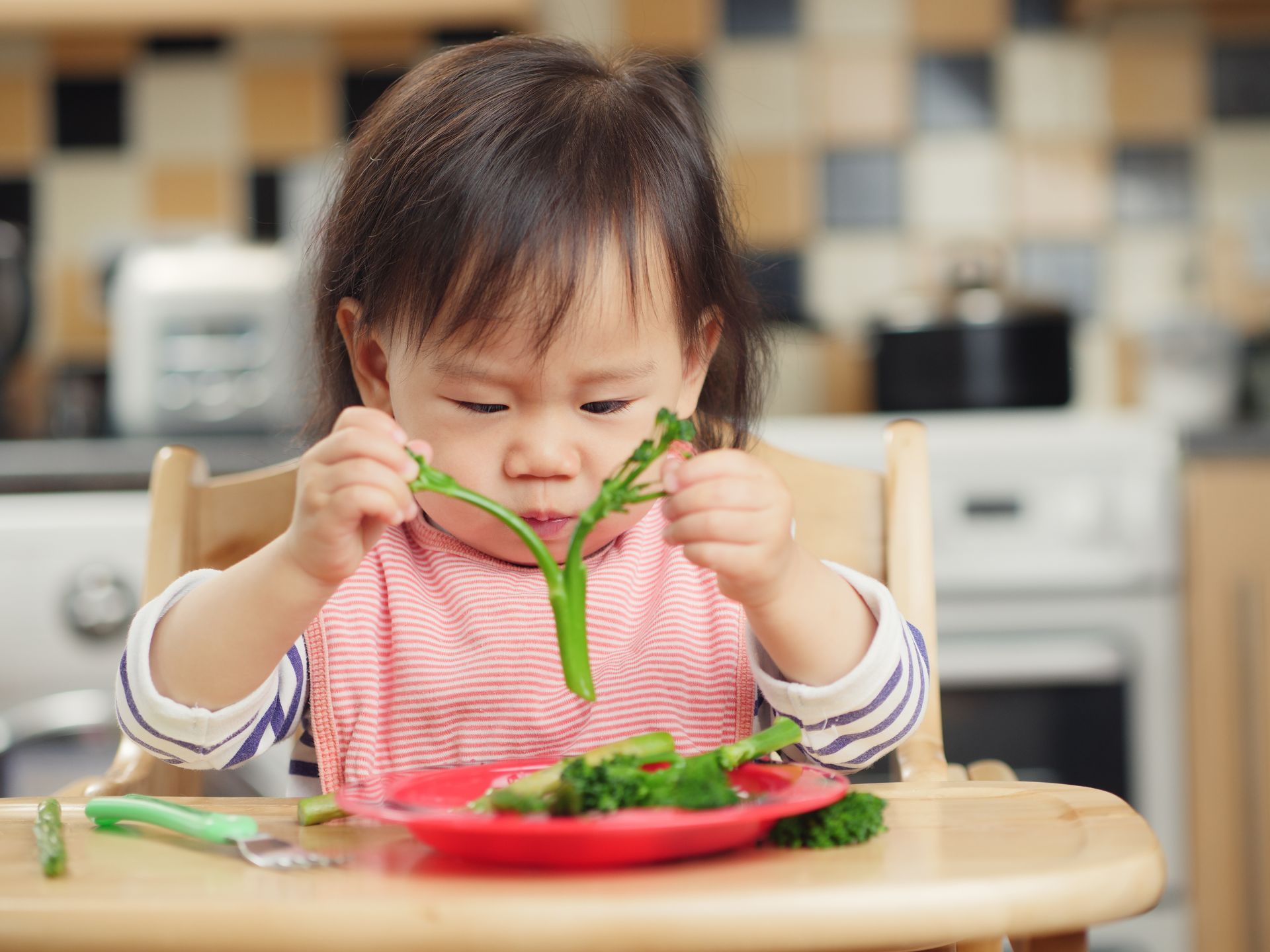
What Selective Eating Is Not
Severe food selectivity in young children is not related to body image concerns, fear of weight gain, or a desire to be thin. These are adult frameworks that do not apply to early childhood feeding.
Instead, selective eating is most often connected to:
- Sensory sensitivity
- A strong need for predictability
- Developmental transitions
- Previous experiences with pressure, illness, or discomfort around food
Why Labels Can Be Misleading
While the terms “picky eater” and “selective eater” are commonly used, they can unintentionally place focus on the child as the problem. At Nibbles and Sprouts™, we view these patterns differently.
- Children are not being difficult.
- They are gathering information.
Learning to eat is a developmental skill, much like learning to read or ride a bike. It unfolds over time and requires guided, low-pressure experiences rather than force or urgency.

A Pediatric Culinary Medicine Approach
Rather than trying to “fix” picky eating, pediatric culinary medicine focuses on:
- Reducing pressure at meals
- Building familiarity through repeated, calm exposure
- Supporting parents in feeling confident and steady
- Helping children develop taste literacy over time
When children feel calm and safe around food, curiosity and confidence are more likely to grow.
The Bottom Line
If your child eats a limited range of foods, it does not mean you are doing something wrong – or that your child will struggle forever.
What matters most is how feeding experiences feel over time.
With developmentally informed guidance and thoughtful exposure to flavor, many children gradually expand their comfort with food in ways that feel manageable and supportive for the whole family.
Ready for a calmer approach to pick eating?
Join the free tier of the Fussy to Foodie™ Collective for Dr. Bonnie's foundational guidance on picky eating - what's driving it, what actually helps, and how to build a calmer, more curious relationship with food for your whole family.
FAQs
Is my child's picky eating just a phase?
Many children go through periods of picky eating as they learn about new flavors, textures, and foods. As children grow, their eating habits often become more flexible with repeated, everyday experiences around food.
Some children, however, need additional support. If your child's list of accepted foods continues to shrink, mealtimes are becoming increasingly stressful, growth or nutrition is a concern, or eating feels stuck over time, it is worth discussing your concerns with your pediatrician.
What is the difference between picky eating and selective eating?
Parents often use the terms picky eating and selective eating interchangeably, and there is no single definition that everyone uses. In general, picky eating describes children who eat a narrower range of familiar foods but continue to grow and gradually build flexibility over time. Selective eating usually refers to children whose food choices are much more limited and whose preferences are more strongly influenced by factors such as texture, smell, appearance, or past experiences with food.
Whether a child's eating is described as picky or selective, these behaviors are best understood as information rather than defiance. They reflect how a child is experiencing food at this stage of development. Understanding those experiences is the first step toward reducing feeding frustration and helping children build greater comfort and confidence around food.
Does pressure or forcing my child to eat new foods help?
No. While it may seem like pressure will encourage a child to eat, it often has the opposite effect. Asking, bribing, negotiating, or insisting on "just one bite" can increase stress around food and make children even more hesitant to try something new.
Children are more likely to build confidence around food through calm, repeated experiences than through pressure. Offering new foods alongside familiar favorites, inviting children to explore food without expectation, and allowing familiarity to develop over time helps create a more positive relationship with food.
The goal is not to get a child to eat a new food today. The goal is to help them become more comfortable and curious around food over time.
How many foods should my child be eating at their age?
There is no magic number of foods that every child should eat. Some children naturally eat a wider variety than others, and it is common for food preferences to change throughout childhood.
Rather than focusing on a specific number, pay attention to the overall pattern. Is your child's list of accepted foods staying about the same, gradually growing, or becoming more limited over time? Are they growing well, participating in family meals, and continuing to have opportunities to explore new foods?
If your child's accepted foods continue to shrink, mealtimes are becoming increasingly stressful, or you have concerns about growth or nutrition, it is worth discussing your concerns with your pediatrician.
How is Dr. Bonnie's approach to picky eating different from that of a dietitian or feeding therapist?
As both a board-certified pediatrician and a professionally trained chef, Dr. Bonnie brings together two fields that are rarely combined. She helps parents understand not only whether there is a medical reason a child may be struggling with food, but also how children naturally learn to experience flavors, textures, and new foods over time.
Rather than focusing only on what a child is eating, her approach looks at the whole mealtime experience; child development, family dynamics, taste learning, and the role that familiar foods play in building confidence. The goal is not simply to expand a child's diet, but to help parents reduce feeding frustration while raising children who feel comfortable, curious, and confident around food.