
Why This Pediatrician Is Not Concerned About Your Child’s Sugar Intake During Halloween
Halloween is so much more than just candy
Why This Pediatrician Is Not Concerned About Your Child’s Sugar Intake During Halloween
As a pediatrician and culinary medicine expert, I often hear concerns from parents about the amount of sugar their children consume - especially around Halloween. The spooky season is filled with candy corn, chocolate bars, and sugary treats galore, and it’s natural for parents to worry. But I’m here to tell you: you can breathe a sigh of relief! When it comes to Halloween, I’m not losing sleep over how much candy your child eats. In fact, Halloween is a fantastic opportunity for kids to enjoy some indulgence, celebrate traditions, and experience the magic of the holiday.
Halloween: A Time for Fun and Exploration
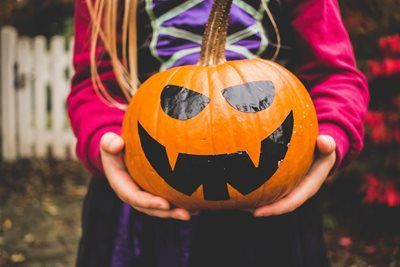
Halloween is so much more than just candy. It’s a chance for children to dress up as their favorite superheroes, princesses, or spooky creatures and step into a world of imagination. It’s a time to run around with friends, knock on doors, and share the excitement of collecting and sorting through their candy loot. These experiences create cherished memories and teach valuable social skills, from taking turns and saying “thank you” to the thrill of discovering new things.
So, why spoil that joy with sugar guilt? The occasional overindulgence is a part of life, and Halloween is just one night. What really matters for your child’s health is what your child eats regularly, not just during one fun-filled evening.
The Bigger Picture: Daily Sugar Intake Matters More
While I’m not worried about a few extra pieces of candy on Halloween, I do care about the daily sugar intake in your child’s diet. Too much added sugar can lead to a host of health issues, including obesity, type 2 diabetes, and dental problems. The American Academy of Pediatrics recommends that children aged 2 to 18 consume no more than 25 grams (6 teaspoons) of added sugar per day. Unfortunately, most children in the U.S. far exceed this amount due to the prevalence of sugary snacks, drinks, and hidden sugars in processed foods.
But here is the good news: with a few simple strategies, you can help reduce your child’s daily sugar intake without making drastic changes or feeling like the “food police.” Here are some practical tips to get started:
Rethink Beverages
- Sugary drinks are a major source of excess sugar in children’s diets. A single can of soda can contain up to 40 grams of sugar—that’s over 10 teaspoons! Instead of sugary sodas, fruit punches, or energy drinks, encourage your child to drink water, milk, or unsweetened herbal teas. You can make water more appealing by adding slices of fruit or a splash of natural fruit juice.
Select Whole Fruits Over Fruit Snacks
- Fruit snacks, roll-ups, and sweetened applesauce may seem like healthy choices, but often contain added sugars and lack the fiber found in whole fruits. Offer your child fresh fruit like apples, berries, or oranges, which help satisfy your child’s sweet tooth while providing essential nutrients and fiber.
Choose Whole-Grain Snacks Over Processed Treats
- Swap out sugary, processed snacks like cookies, pastries, and breakfast bars for whole-grain options such as popcorn, whole-wheat crackers, or homemade granola. These snacks are more filling and provide long-lasting energy without the sugar crash.
Read Labels Carefully
- Sugar can hide in unexpected places, including savory foods like ketchup, pasta sauce, and bread. When shopping, read labels carefully and look for terms like high-fructose corn syrup, sucrose, and maltose - these are all forms of added sugar. Choosing lower-sugar versions of these staples can make a big difference over time.
Create a Balanced Plate
- Encourage balanced meals that include a variety of food groups: vegetables, lean proteins, whole grains, and healthy fats. When your child is nourished with wholesome foods, your child will be less likely to crave sugary snacks. If your child is still hungry, offer a piece of fruit or a small serving of yogurt with fresh berries instead of cookies or candy.
Bake Together
- Get your kid involved in the kitchen by baking healthier treats together. Use recipes that call for natural sweeteners like mashed bananas, applesauce, or a small amount of honey instead of large amounts of refined sugar. Baking at home not only lets you control the ingredients but also provides a fun, educational activity to share with your child.
Practice Mindful Eating
- Teach your child to enjoy sweets in moderation and to be mindful of their food choices. This doesn’t mean restricting them, but rather helping them to tune in to their hunger and fullness cues. If they learn to enjoy a few pieces of Halloween candy without feeling the need to binge, you have equipped them with a healthy relationship with food that will serve them for a lifetime.
Let Halloween Be About More Than Just Candy
Halloween comes once a year, and it is okay for your child to enjoy the festivities without worrying about the sugar content of every treat. By focusing on balanced, lower-sugar choices the rest of the time, you can let your child have their fun on Halloween guilt-free.
Remember, the goal is not to eliminate sugar but to make intentional, healthier choices regularly. As always, if you have specific concerns about your child’s diet or health, don’t hesitate to reach out for personalized guidance.
So, this Halloween, relax and let your little ghosts and goblins enjoy the magic of the night. After all, what we do most days is what counts - and the joy and excitement of Halloween are memories worth savoring.