
Raw Milk and H5N1: A Holiday Health Warning for Parents
Stay informed to make the best choices for your child's health.
Raw Milk and H5N1: A Holiday Health Warning for Parents
I recently returned from a vacation in France, where unpasteurized cheeses are a delicacy and a cultural cornerstone. In France, strict food safety regulations govern the production and sale of raw milk products. For example, raw milk cheeses are required to meet rigorous testing standards for bacterial contaminants (like Listeria monocytogenes). These laws help minimize risks while preserving the tradition of enjoying raw milk products. This is in sharp contrast to the United States, where raw milk products are subject to varying state regulations and carry different health implications, especially for children.
As the holidays and New Year approach - a season often filled with indulgent meals and family traditions - parents should be aware of the benefits and risks of consuming raw milk. With recent concerns, including an H5N1 avian flu outbreak in the U.S., now is a critical time to be informed. The U.S. government has ordered testing of the nation's milk supply for bird flu to monitor the spread in dairy cows.
What Is Raw Milk?
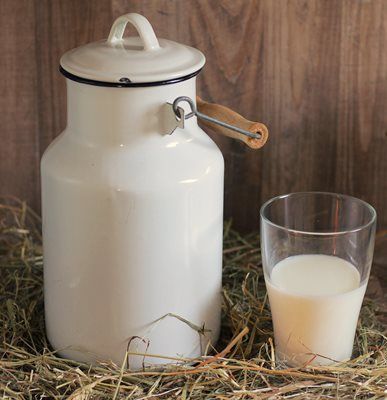
Raw milk is milk that has not been pasteurized (treated with mild heat) to kill harmful bacteria. Proponents of raw milk often say that its richer flavor, potential probiotic benefits, and the preservation of heat-sensitive nutrients are reasons for choosing it. However, raw milk (unpasteurized milk) can also harbor dangerous germs like E. coli, Salmonella, and Listeria. While healthy adults may recover from such infections, children, pregnant women, and those with weakened immune systems face a higher risk of severe illness or complications.
Health Benefits of Raw Milk
Advocates for raw milk often highlight the following potential benefits:
1. Probiotics: Raw milk may contain naturally occurring probiotics. Probiotics are beneficial bacteria that support gut health. However, probiotics are not always guaranteed and can vary significantly between batches.
2. Nutrient Density: Raw milk retains more heat-sensitive vitamins like vitamin C and B-complex vitamins, which can degrade during pasteurization.
3. Taste and Texture: Many families who consume raw milk praise its creamier texture and richer taste compared to pasteurized options.
- While these benefits may be appealing to some, it is crucial to weigh these perceived benefits against the risks - especially when serving raw milk to children.
Health Risks of Raw Milk
Here is the science:
Raw milk can contain harmful bacteria and viruses that may lead to severe foodborne illnesses. For children, who are more susceptible to infections, these risks can include:
1. Severe Diarrhea and Dehydration: Caused by bacteria like E. coli or Salmonella, these illnesses can require hospitalization and lead to lasting complications such as life-long kidney damage.
2. Meningitis or Sepsis: Rare but serious outcomes from bacterial infections, particularly with pathogens like Listeria monocytogenes.
3. Growth and Development Concerns: Illnesses caused by raw milk infections may temporarily impact a child’s nutrient absorption. This may potentially affect a young child’s growth and development during critical periods.
Recent H5N1 Avian Flu Concerns
Adding to this year’s health considerations is the recent outbreak of H5N1 avian flu in U.S. dairy cattle. While avian flu typically affects birds, the current H5N1 avian flu strain is present in cow herds. H5N1 continues to spread. This spread of avian flu to cow herds has raised concerns about avian flu’s potential spread to humans. To date, 853 dairy herds in 16 states are carrying Avian Influenza (HPAI). It is important to clarify that H5N1 transmission through dairy products, including raw milk, has not been documented. However, the current outbreak underscores the importance of monitoring zoonotic diseases (those diseases that can jump between animals and humans) closely.
- For parents, raw milk that is infected with the H5N1 avian flu virus serves as a reminder of why pasteurization is critical.
- Pasteurization is a reliable safeguard against bacterial and viral pathogens that might be present in milk.
- Both pasteurized and raw milk contain protein, calcium, zinc, and other important nutrients.
Tips for a Safe Holiday Season
As you plan festive meals and consider dietary choices for your family in the New Year 2025, here are some tips to ensure safety without sacrificing joy:
- Know Your Sources: If you choose to buy raw milk or raw milk products, source these raw products from reputable farms that comply with stringent hygiene practices.
- Consider Alternatives: Pasteurized versions of milk and cheese offer similar flavors and nutrients with significantly lower risk.
- Cook When in Doubt: Heating raw milk to 165°F (74°C) can kill harmful bacteria while preserving raw milk’s flavor for recipes.
- Stay Informed: Keep up with food safety alerts, especially during outbreaks like H5N1, which may evolve quickly.
A Balanced Perspective
France’s raw milk tradition is an example of how strict safety measures can make consuming unpasteurized products relatively safe. In the U.S., however, regulations and safety standards are inconsistent. U.S. federal law prohibits the sale of raw milk across state lines. Inconsistencies increase risks for families.
- For parents of young children, raw milk consumption is a decision that should weigh cultural and nutritional preferences against scientific evidence and known risks.
- While raw milk may offer some benefits, the potential health consequences - especially during outbreaks like H5N1 - should not be overlooked.
The upcoming holidays are an opportunity to create memorable meals and traditions. By making informed choices, you can prioritize your family’s health while celebrating the season to its fullest.