
Is Processed Food Making Your Child A Picky Eater?
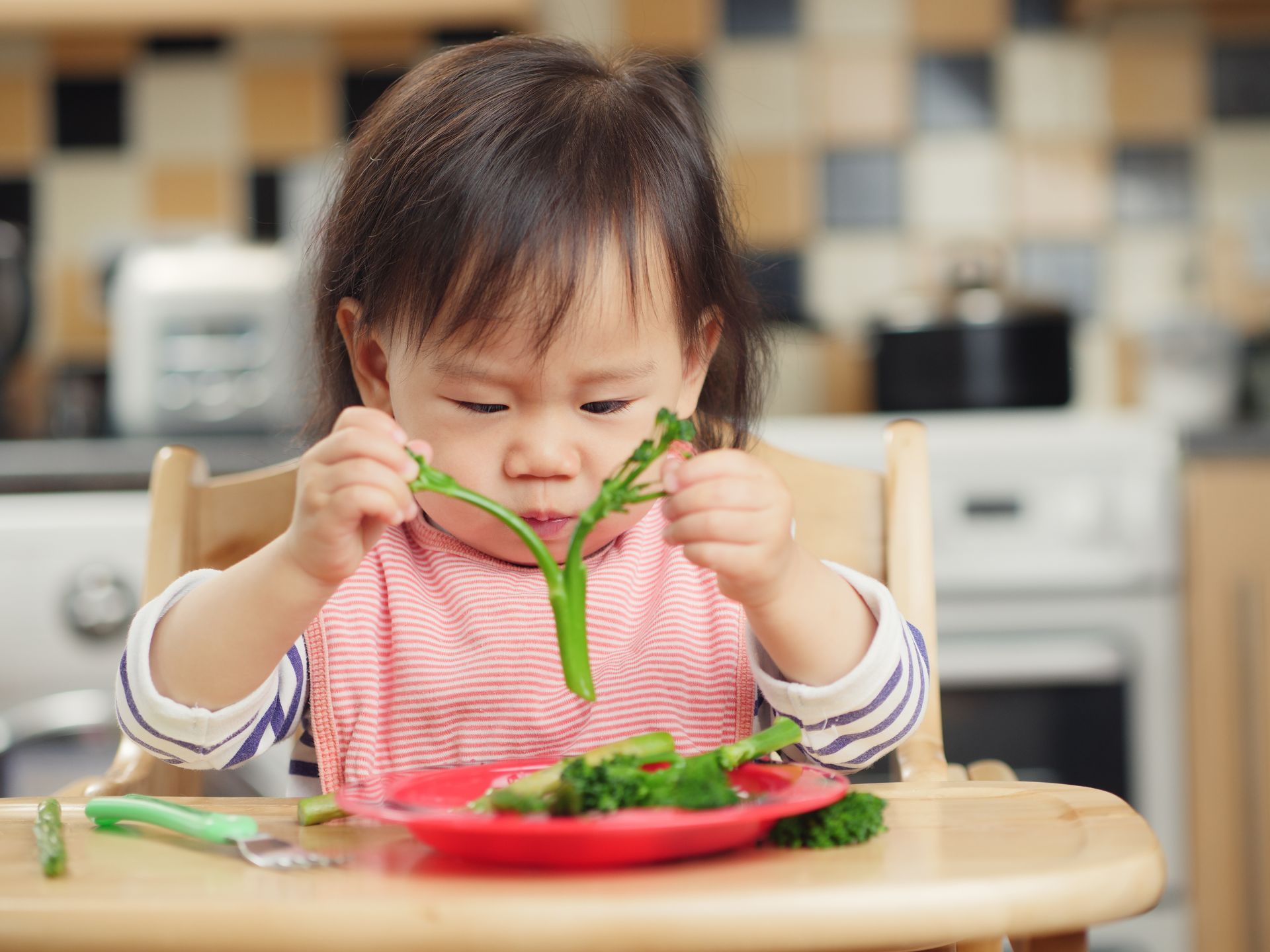
Ultra-processed foods are designed to be extremely rewarding to the developing brain – especially during childhood, when taste preferences and food familiarity are still forming. Over time, repeated exposure to highly intense flavors and textures can make less processed foods feel unfamiliar or less appealing. This is not a reflection of parenting failure. It reflects how powerfully children learn flavor through repetition and familiarity.
How Ultra-Processed Foods Shape a Child’s Taste Preferences
Some ultra-processed foods are intentionally engineered to deliver highly intense combinations of salt, sugar, fat, flavor, and texture. Children’s taste preferences are still developing, so repeated exposure to these foods can gradually shift what feels familiar, rewarding, and satisfying.
1. Child eats processed food
Highly flavored, intensely textured foods create strong reward signals in the developing brain.
2. Reward threshold rises
Over time, children expect stronger flavor intensity and sensory stimulation from food.
3. Real food feels "wrong"
Compared to highly engineered foods, less processed foods feel bland, unfamiliar, or become less satisfying.
4. Refusal & anxiety
Children may begin avoiding unfamiliar foods, while families naturally rely more heavily on accepted foods to keep meals calm and predictable.
5. Cycle deepens
As food variety narrows, opportunities for flavor learning and familiarity decrease – making it harder for new foods to feel approachable over time.
The Good News
Taste preferences are flexible, especially during childhood. With repeated low-pressure exposure and gradual shifts in familiarity, children can learn to feel more comfortable with a wider range of foods over time.
What Makes Ultra-Processed Foods So Appealing?
Many ultra-processed foods are built around combinations of flavor, texture, and additives designed to maximize appeal and repeat eating. This section explains some of the most common features that shape taste expectations over time.
| Ingredient / Additive | Found In | What It Does to Taste Preferences |
|---|---|---|
| Artificial Flavor Enhancers | Chips, Crackers, Fast food, Flavored snacks | Amplify taste signals 10–100x beyond natural foods; condition the palate to expect intense flavor stimulation from every bitent |
| Added Sugar & Refined Carbs | Cereal, Yogurt (flavored), Bread, Juice | Trigger the strongest dopamine response; establish a preference for sweetness that makes naturally sweet foods (fruit) seem insufficient |
| Industrial Fats & Oils | Processed snacks, Cookies, Fast food | Create the "melt-in-your-mouth" texture engineered to maximize hedonic pleasure; natural food textures feel unfamiliar by comparison |
| Sodium (high levels) | Processed meats, Canned soups, Crackers, Sauces | Masks bitter notes — creating a preference for oversalted food and intolerance for the natural, mild bitterness of vegetables |
| Artificial Colors & Dyes | Cereals, Candy, Fruit snacks, Drinks | Create strong visual cues associated with rewarding foods; can increase neophobia toward naturally colored whole foods that look "wrong" |
| Emulsifiers & Texturizers | Bread, Ice cream, Processed cheese, Dressings | Produce perfectly uniform textures that natural foods can't replicate; children conditioned to these may reject the natural variability of whole foods |
The goal is not perfection or complete elimination. Small substitutions that stay close to a child’s familiar flavor and texture preferences are often more successful than dramatic changes.
| Processed Food | Healthy Option |
|---|---|
| Flavored chips | Lightly salted popcorn or roasted chickpeas |
| Sweetened cereal | Oatmeal with honey, cinnamon & familiar fruit |
| Flavored yogurt pouches | Plain yogurt blended with real fruit puree |
| White bread sandwiches | Whole grain with familiar fillings, transitioning gradually |
| Fruit snacks / gummies | Freeze-dried fruit or fresh fruit with yogurt dip |
| Chicken nuggets | Homemade nuggets with real chicken & breadcrumbs |
| Juice boxes | Water with sliced fruit or a splash of 100% juice |
| Processed cheese slices | Real cheddar or mozzarella, same shape & serving |
Real Food Swaps that Actually Work
How Dr. Bonnie Helps Families Rebuild Food Familiarity
Map your child's current food landscape
We look at the foods your child already accepts and identify the flavor, texture, and sensory patterns that feel familiar and safe.
These patterns help guide gradual next steps.
Build a personalized food chain
Build a gradual food pathway
Using taste literacy principles, this approach helps families move from familiar processed foods toward less processed options one manageable step at a time.
Use the kitchen to rebuild familiarity
Chef-informed techniques help adjust flavor intensity, texture, aroma, and presentation so less processed foods feel more approachable and familiar.
Involve children in food decisions
Children who participate in choosing, shopping, preparing, and serving food often feel more curious and comfortable around new foods over time.
Lower the pressure, raise the exposure
Repeated low-pressure exposure helps unfamiliar foods become more recognizable and predictable over time. Consistency and familiarity matter more than forcing bites.
Inside the Fussy to Foodie® Collective
- Pediatric culinary medicine guidance grounded in taste literacy
- Practical flavor exposure strategies for real family life
- Chef-informed approaches that make whole foods feel more approachable
- Calm mealtime frameworks that reduce pressure around food
- A trusted community of parents navigating similar challenges
- Thoughtful articles, discussions, and resources inside the Collective
Processed Food & Picky Eating, Answered
Does eating processed food actually make kids pickier eaters?
Repeated exposure to highly intense processed foods can narrow flavor familiarity over time, especially in children who are already cautious around food.
Why does my child only want highly processed foods?
Children who primarily eat ultra-processed foods are experiencing something called hedonic hunger — craving specific foods for their pleasure value rather than for genuine hunger. The dopamine reward their brain expects from highly engineered foods is simply not triggered by the subtler flavors and textures of whole foods. Their palate has been calibrated by the food they've been eating. The good news: this recalibration can be reversed gradually with patience and the right approach.
Should I just cut out all processed food at once?
Abrupt restriction often increases pressure and resistance. Gradual shifts tend to feel more sustainable and successful for families.
How long does it take for taste preferences to change?
Research on flavor learning suggests consistent exposure over 8–15 encounters is typically needed for children to begin accepting a new food. For children with highly conditioned palates from processed food exposure, the reset may take several months of consistent, low-pressure whole food exposure. Consistency — not speed — is the key variable.
My child seems genuinely unable to eat certain textures — is that still about processed food?
Not always. Genuine sensory processing differences can cause real texture aversions that exist independently of food environment. However, some children described as "texture sensitive" may partly be experiencing a mismatch between the uniform, engineered textures of processed foods they're accustomed to and the natural variability of whole foods. Distinguishing between the two is important — and it's exactly the kind of assessment Dr. Bonnie specializes in.
How is Dr. Bonnie's approach different from standard picky eating advice?
Dr. Bonnie's focus is on:
- Taste literacy
- Flavor familiarity
- Developmental guidance
- Culinary strategy
- Reducing pressure
Meet Dr. Bonnie Feola, MD, FAAP & Certified Chef
Dr. Bonnie is a board-certified pediatrician and trained chef who brings together clinical experience and real-world food knowledge. Her work focuses on how children learn to experience food and how everyday meals can support long-term health.
- Board-certified pediatrician (FAAP)
- 30+ years clinical experience
- Pediatric residency at Texas Children's Hospital
- Culinary Medicine Coaching Certificate, Harvard Medical SchoolChef Certificate, Park City Culinary Institute
- Founder, Nibbles & Sprouts™ & Fussy to Foodie® Collective
- Featured in Deseret News, ADDitude Magazine, Fox 13, and more
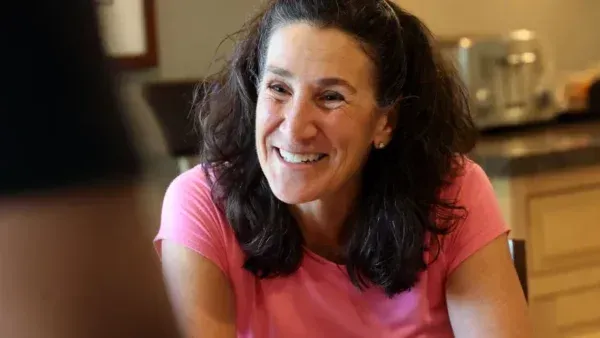
"Every child is born with the ability to love food. My job is to help families rediscover that — one curious taste at a time."
— Dr. Bonnie Feola
Help Your Child Feel More Comfortable Around Food
Join the Fussy to Foodie® Collective for calm, developmentally informed guidance that helps families reduce pressure and rebuild food familiarity over time.