
Your Picky Eater Doesn't Have to Stay Picky
Children who struggle with picky eating aren't simply being difficult or stubborn; they may be grappling with real barriers that make consuming certain foods genuinely uncomfortable for them. These challenges can stem from various factors, including heightened sensitivity to textures or tastes, past negative experiences with certain foods, or even underlying medical conditions that affect their appetite.
At Nibbles & Sprouts, we take a comprehensive, whole-child approach. This means we focus on understanding not just what your child eats, but also delving into the reasons behind their preferences and aversions. We work closely with families to create a supportive environment and build a path forward that respects both your child's individual development and your family's unique reality. By nurturing a positive relationship with food, we aim to empower children to explore and enjoy a wide variety of healthy options.

Not All Picky Eating Looks the Same
Picky eating exists on a spectrum. Knowing where your child falls helps you respond with the right strategy — not just the most common advice.
Typical Picky Eating
Common in ages 2–6. Children accept 20+ foods, may go through phases, but generally eat a nutritionally adequate variety. Often resolves with consistent, low-pressure exposure.
Persistent Picky Eating
Continues beyond age 6 or is accompanied by significant mealtime anxiety, gagging, or refusal of entire food groups. May benefit from structured guidance and behavioral strategies.
Extreme / Clinical Concern
Fewer than 20 accepted foods, weight or growth impact, significant food-related anxiety, or complete avoidance of textures, smells, or food touching. Professional evaluation is recommended.
Signs Your Child May Need More Support
Some picky eating is normal. These signs suggest it may be time to work with a specialist.
Fewer than 20 accepted foods
A very limited food repertoire that has stayed the same — or shrunk — over time.
Anxiety around new foods
Distress, crying, or panic when unfamiliar foods appear on the plate or table.
Gagging or vomiting
Physical responses to food textures, smells, or the sight of certain foods.
Dr. Bonnie's Insight
Taste literacy develops gradually through repeated, low-pressure encounters with food. Forcing or bribing children to eat new foods often backfires — the goal is to build curiosity, not compliance.
Growth or nutrition concerns
Slow weight gain, fatigue, or signs of nutritional gaps flagged by your pediatrician.
Mealtime dominates family life
Planning every outing, event, or family dinner around your child's restricted preferences.
No improvement over time
Picky eating that persists or worsens past age 6 despite your best efforts.
How We Help Picky Eaters — Without the Power Struggles
Understand your child's specific eating profile
We begin by identifying whether sensory sensitivities, behavioral patterns, food anxiety, or developmental stage are driving the pickiness — because the solution depends entirely on the cause.
Build a food exposure ladder
Using evidence-based food chaining techniques, we gradually bridge from accepted foods to new ones — respecting your child's sensory tolerance and building trust at the table.
Change how food is experienced, not just what is served
Dr. Bonnie's culinary training means she teaches real chef techniques for presentation, flavor, and texture modification that make new foods genuinely more appealing to kids.
Coach parents on pressure-free mealtime structure
The division of responsibility model, low-pressure language, and environment adjustments that shift the entire family dynamic around food — ending the daily mealtime battles.
What families inside the Fussy to Foodie™ Collective receive:
✓ Personalized guidance from Dr. Bonnie, M.D. & Certified Chef
✓ Food exposure strategies tailored to your child's sensory profile
✓ Chef-tested recipes that bridge from familiar to new
✓ Mealtime frameworks to reduce pressure and conflict
✓ Community support from parents navigating the same challenges
✓ Free eGuides: Picky Eaters, Gut Health & Constipation
Common Questions About Picky Eating
Is my child's picky eating just a phase?
Picky eating peaks between ages 2 and 6 and often improves on its own with consistent, low-pressure food exposure. However, picky eating that persists beyond age 6, causes significant family stress, or results in fewer than 20 accepted foods warrants a closer look with a professional.
Should I force my child to try new foods?
Research consistently shows that pressure, bribing, and forced tasting tend to increase food anxiety and make picky eating worse over time. A more effective approach involves repeated, low-pressure exposure — putting new foods on the table without any expectation that the child will eat them. Over many exposures, curiosity often develops naturally.
At what point should I see a specialist?
Consider seeking support if your child accepts fewer than 20 foods, shows strong anxiety or distress around meals, has gagging or vomiting responses to textures, is not growing appropriately, or if mealtime stress is significantly impacting your family's quality of life.
How is Dr. Bonnie's approach different from a regular dietitian?
Dr. Bonnie is both a board-certified pediatrician with 30+ years of clinical experience AND a professionally certified chef trained through Harvard Medical School's culinary medicine program. This rare combination means she addresses the medical, behavioral, and culinary dimensions of picky eating simultaneously — providing practical, kitchen-tested strategies alongside medical insight.
Meet Dr. Bonnie Feola, MD, FAAP & Certified Chef
After 30+ years as a practicing pediatrician, Dr. Bonnie made a rare discovery: she had as many cookbooks as medical textbooks. She combined both passions to create a new kind of practice — one that treats food as medicine and the kitchen as a place of healing.
- Board-certified pediatrician (FAAP)
- 30+ years clinical experience
- Pediatric residency at Texas Children's Hospital
- Culinary Medicine Coaching Certificate, Harvard Medical SchoolChef Certificate, Park City Culinary Institute
- Founder, Nibbles & Sprouts™ & Fussy to Foodie™ Collective
- Featured in Deseret News, ADDitude Magazine, Fox 13, and more
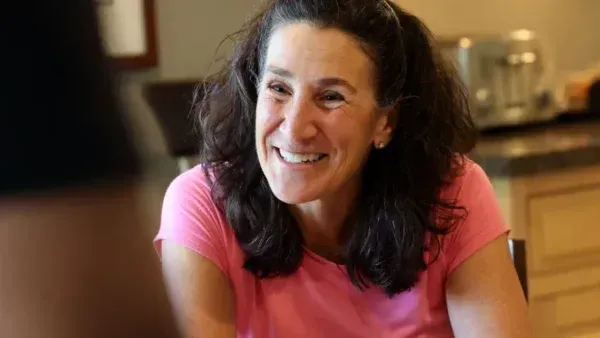
"Every child is born with the ability to love food. My job is to help families rediscover that — one curious taste at a time."
— Dr. Bonnie Feola
Ready to Raise a More Adventurous Eater?
Join families across the country who are changing their child's relationship with food — without pressure, without battles, and with a lot more joy at the table.