
Get Help for Picky Eating
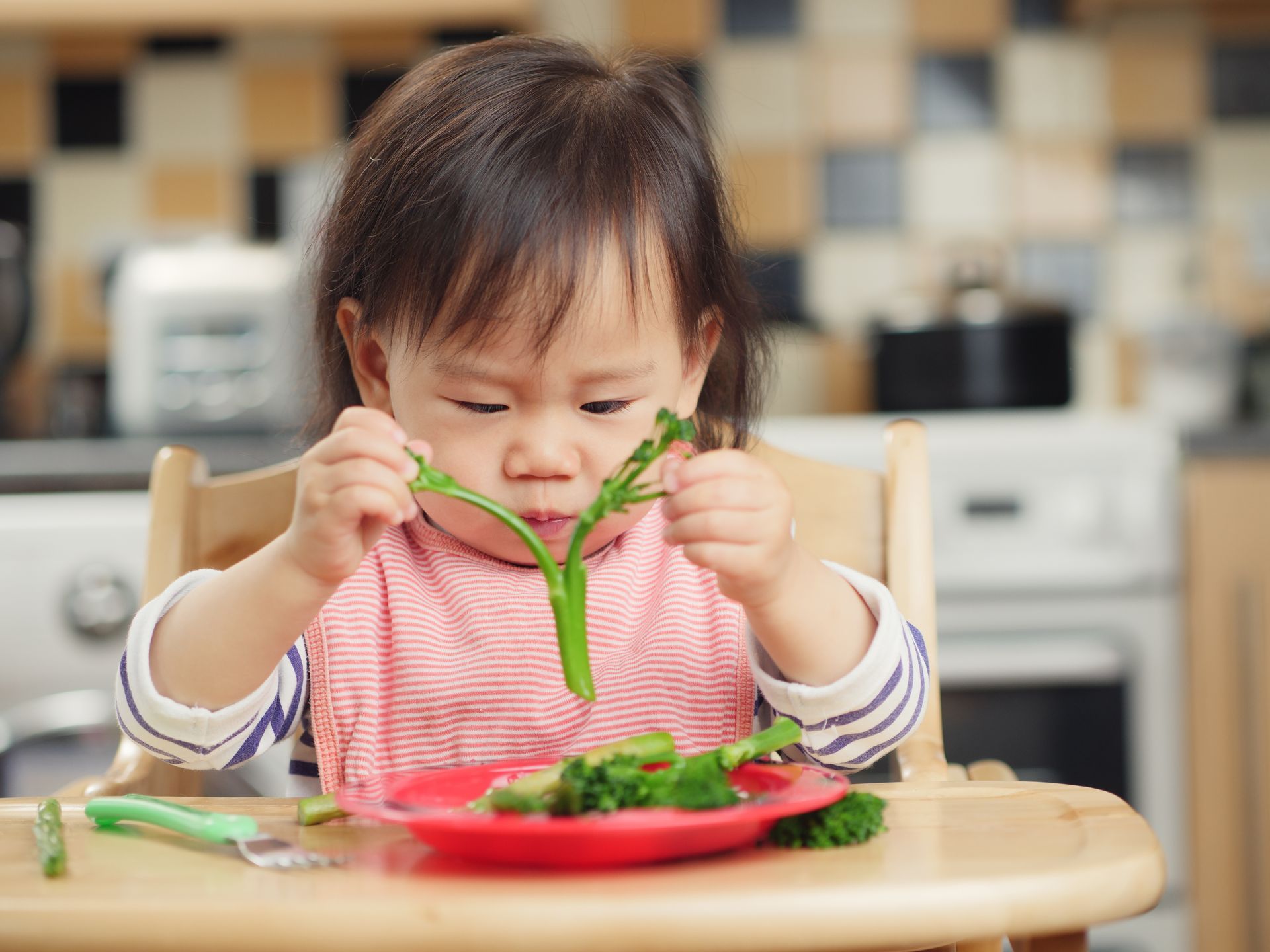
If your child is a picky eater, they may eat a limited range of familiar foods, refuse new foods, prefer specific flavors or textures, or accept a food only when it is prepared or served in a familiar way. For example, a child may eat a crisp apple but refuse applesauce, prefer roasted potatoes to mashed potatoes, or eat pasta at home but hesitate when the same food looks different at a restaurant. These patterns offer useful information about how a child experiences flavor, texture, appearance, familiarity, and food preparation.
Picky eating is common during childhood and exists along a range. A selective eater may have a more limited range of accepted foods or stronger preferences related to texture, flavor, smell, appearance, or preparation. Rather than focusing only on the number of foods a child eats, parents can also consider whether the child's food variety is growing, remaining stable, or becoming more limited over time.
Children develop food preferences through repeated experiences with flavors, textures, ingredients, and different ways of preparing food. Taste literacy describes this developing ability to recognize and become familiar with the sensory qualities of food. A familiar flavor provides a path to exploring a new food, while roasting, grilling, seasoning, adding a sauce, or changing texture creates a different food experience.
Helping a picky eater expand food variety does not require forcing new foods or turning every meal into a lesson. Parents can guide food experiences that build familiarity with different flavors, textures, and preparations over time. These experiences build greater flexibility and confidence around food while giving parents more ways to guide their child with less frustration.
When to Worry About Picky Eating
It can be difficult to know whether your child's picky eating is a typical stage or a sign that they may need additional support. Food preferences often change during childhood, especially during the toddler and preschool years. Some children gradually become more flexible with food, while others continue to have a limited range of accepted foods as they grow.
When considering when to worry about picky eating, look at the overall pattern rather than relying on a specific number of foods. A picky eater may need further evaluation if their list of accepted foods continues to shrink, they avoid entire food groups, eating causes significant distress or gagging, or their eating habits are affecting growth, nutrition, or everyday family life.
There are many reasons a child may have difficulty with new foods. Flavor, texture, smell, appearance, familiarity, past food experiences, allergies, digestive symptoms, developmental differences, and other health conditions can all influence how a child experiences food.
Understanding what contributes to you child's food preferences helps you decide what kind of guidance or support makes sense.
If you are concerned about your child's limited diet, growth and development, nutrition, or eating patterns, talk with your pediatrician. The goal is not to label a child as a picky eater or simply count how many foods they eat. It is to understand the larger pattern and help children continue building comfort, flexibility, and confidence around food over time.
How to Help Your Picky Eater
If your child is a selective eater, becoming more comfortable with new foods takes time. Regular meals and snacks create a predictable rhythm for eating, while expanding food variety involves more than simply putting unfamiliar foods on the plate. Children learn how different flavors, textures, smells, and preparations connect to foods they already know.
When trying new foods, familiarity provides a useful starting point. A child who enjoys roasted potatoes may feel more comfortable exploring another roasted vegetable. A familiar seasoning, sauce, or cooking method connects a new ingredient to a flavor they already recognize. Even preparing the same food differently helps children discover how cooking changes its flavor and texture.
Cooking together also gives a picky eater or selective eater meaningful experiences with food before tasting it. Washing produce, tearing herbs, stirring a sauce, grating cheese, or choosing a seasoning lets children see, smell, touch, and talk about food without making eating the immediate goal. Parents can describe foods as crisp, creamy, tart, savory, mild, or aromatic, helping children build a vocabulary for what they taste and experience.
The goal is not to convince your child to try every food. You can guide everyday food experiences that build recognition, familiarity, and taste literacy over time. As your child learns more about flavor and texture, you gain more ways to expand their world of food with less frustration and greater confidence around picky eating.
When to Seek Help
If you're struggling with a picky eater, your child's pediatrician is a good place to start when you have concerns about growth, a shrinking range of foods, food allergies or sensitivities, or significant distress around eating.
When the challenge is knowing how to move forward with everyday picky eating, Dr. Bonnie offers pediatrician-chef guidance on picky eating and selective eating to help you feel less frustrated at mealtimes and more confident guiding your child's growing world of food.
About Dr. Bonnie Feola and Nibbles & Sprouts
Having a child who is a picky eater can leave you wondering what to try next. Dr. Bonnie brings more than 30 years of pediatric experience and professional culinary training to the everyday challenges of feeding children.
Through Nibbles and Sprouts, Dr. Bonnie offers pediatrician-chef guidance on picky eating, selective eating, gut health, eating behaviors, flavor, and texture to help you reduce feeding frustration and feel more confident guiding your child toward a wider world of food.
Explore Fussy to Foodie® Collective for Dr. Bonnie's ongoing food-first guidance.