
When Food Feels Unfamiliar or Hard to Navigate
When a child reacts strongly to certain foods, it can feel confusing and unpredictable. Many parents assume this is behavioral, but often it reflects how a child is experiencing the food itself.
For some children, texture, smell, temperature, or appearance can feel unfamiliar or intense. These reactions are not random. They are part of how children learn to interpret food through their senses.
At Nibbles & Sprouts™, the goal is to help parents understand how sensory experiences shape flavor learning, and how everyday food experiences can gradually build recognition, comfort, and confidence over time.
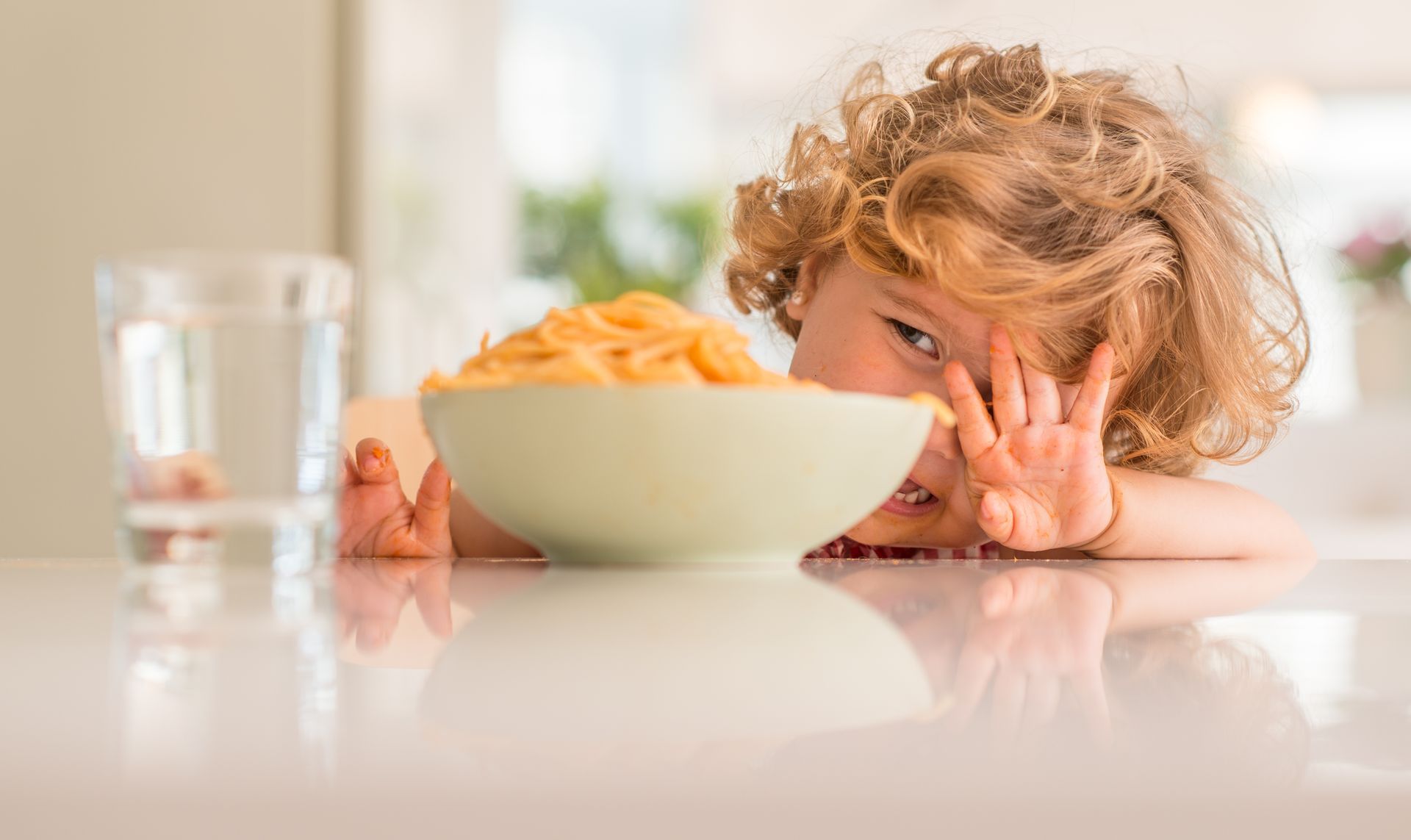
When Food Textures and Smells Feel Like the Problem
Breaking Down Common Sensory Patterns
For children with sensory sensitivities, food can trigger physical discomfort or overwhelm. This is not about behavior. It reflects how a child is experiencing the sensory qualities of food – and calls for a different approach.
Mushy / soft textures
Soft or blended textures such as mashed potatoes, bananas, or yogurt can feel difficult for children who prefer more defined, structured bites. These foods are often rejected because the texture feels unfamiliar or hard to interpret.
Mixed textures
Foods with combined textures, such as casseroles, soups, or stir-fries, can feel unpredictable. When a child cannot anticipate what each bite will feel like, it can make the experience hard to navigate.
Strong smells
Highly aromatic foods such as fish, garlic, or spices can feel intense to some children. Smell is closely tied to flavor. When a scent feels overwhelming, a child may avoid the food before tasting it.
Temperature sensitivity
Some children respond strongly to temperature. Foods that are too hot, too cold, or inconsistent in temperature can feel uncomfortable, making it harder for a child to engage.
Visual appearance
Color, shape, and presentation all influence how a child approaches food. When food looks unfamiliar, mixed together, or visually complex, it can create hesitation.
Gag reflex sensitivity
A sensitive gag reflex can make certain textures feel difficult to manage. This is not about willingness. It is a physical response that can shape how a child approaches certain foods.
Signs Your Child May Have Food-Related Anxiety
Some children move through these sensory experiences gradually. For others, these patterns can be more pronounced and begin to affect daily meals. These signs may suggest a child is experiencing more difficulty around food:
- Strong reactions before meals — Noticeable hesitation, worry, or distress before food is even served
- Shrinking range of accepted foods — Foods your child once accepted begin to fall away over time
- Physical responses at meals — Complaints such as stomach aches, nausea, or gagging during eating
- Avoidance of eating in social settings — Reluctance to eat at school, restaurants, or with others
- Rigid food preferences — Strong need for foods to be prepared or presented in a very specific way
- Ongoing concern about food safety — Frequent questions or worry about choking, illness, or unfamiliar foods
- Changes in growth or nutrition — Noticeable shifts in weight, energy, or nutritional intake
- Increased focus on food outside of meals — Spending significant time thinking about upcoming meals or food experiences
A Compassionate, Developmentally Guided Approach
How We Guide Families Through Food Sensitivities
Dr. Bonnie brings together pediatric medicine, child development, and culinary training to help parents understand what may be shaping their child’s experience with food. The focus is on how sensory experiences shape flavor learning over time.
Understand what your child is experiencing
We look at how texture, smell, temperature, familiarity, and environment may be shaping your child’s response to food.
Create a calmer, more predictable mealtime experience
Small shifts in structure, routine, and language can help meals feel steadier and less reactive.
Use familiar foods as a starting point
Children often return to foods they recognize and feel comfortable with. These familiar foods can gradually support new experiences.
Shape the sensory experience through preparation
How a food is prepared – its texture, temperature, and presentation – can change how it is experienced. This is where pediatric understanding and culinary technique come together.
Invite children into the kitchen
Participating in food preparation helps children become more familiar with ingredients before they appear on the plate.
Food & Eating Questions, Answered
What causes food anxiety in children?
Taste literacy develops through repeated, everyday experiences with food. When a child feels pushed beyond what they can comfortably process, it can slow down learning. When food experiences remain calm and predictable, children are more likely to build familiarity and confidence over time.
Will my child outgrow food sensitivities?
Many children become more flexible over time as they gain experience with different textures, flavors, and food environments. What helps most is not forcing change, but allowing steady, repeated experiences that support comfort and build confidence.
When should I seek additional guidance?
If your child’s range of accepted foods becomes limited, if meals regularly involve distress, or if growth, nutrition, or daily life are being affected, additional guidance may be helpful.
Dr. Bonnie Feola, M.D., FAAP & Certified Chef
Dr. Bonnie is a board-certified pediatrician and professionally trained chef who brings together pediatric medicine, child development, and culinary expertise. Her work focuses on helping parents understand how children learn flavor, and how sensory experiences shape that process over time – guiding families toward more confident, steady meals.
- Board-certified pediatrician (FAAP), 30+ years of clinical experience
- Culinary Medicine Coaching Certificate, Harvard Medical School
- Chef Certificate, Park City Culinary Institute
- Pediatric residency, Texas Children's Hospital
- Founder, Nibbles & Sprouts™ & Fussy to Foodie® Collective

"The most meaningful part of this work is when a parent says: 'You made me feel like I wasn't doing it all wrong.' That's what this is really about — helping parents feel seen, capable, and hopeful again."
— Dr. Bonnie Feola
Begin to Feel Steadier at the Table
Join our community inside the Fussy to Foodie® Collective, where parents learn how children experience flavor, how sensory patterns shape eating, and how confidence at the table grows through everyday food experiences over time.